info@abbasimigration.com
 +61418841225

If your visa has been cancelled — or you’ve received a warning that it may be cancelled — it’s important to understand why, what your options are, and what steps to take next. This guide explains the main reasons for visa cancellation, what to do if you receive a cancellation notice, and your potential options if your visa is ultimately revoked.
There are several main situations that often lead to visa cancellation:
Every visa comes with specific conditions. For example, a student visa might limit the number of hours you can work while studying. If a student works more than the allowed hours while school is in session — and there are no valid exemptions — that can trigger a cancellation.
Similarly, employer-sponsored visas often require the holder to work for a specific employer. If that employment ends and remains unpaid or unaddressed beyond a certain number of days (for instance, 60 days), the visa’s conditions may no longer be met.
Visas tied to personal situations — such as partner visas — may be cancelled if those relationships change before the visa becomes permanent. For example, if the relationship with a sponsor ends or if the visa holder is no longer enrolled for study (in the case of a student visa), these changes can jeopardize visa validity.
Even if a visa was initially approved, providing misleading, incorrect, or false information (or failing to declare important details) can lead to retrospective cancellation. Immigration authorities may review earlier applications or declarations and cancel visas if false information is discovered.
Even if a visa was initially approved, providing misleading, incorrect, or false information (or failing to declare important details) can lead to retrospective cancellation. Immigration authorities may review earlier applications or declarations and cancel visas if false information is discovered.
If you are served with a Notice of Intention to Consider Cancellation (NOICC) from the immigration department, this is a serious signal that your visa is under threat. Here’s what you should do:
If the immigration department cancels your visa, you immediately become “unlawful.” This status has serious implications.
At that point, there are only a limited number of visa pathways you might still qualify for — such as a protection visa, a partner visa (if applicable), or possibly a bridging visa — depending on your circumstances.
But the success of such applications often depends on timely action, credible legal representation, and a clear understanding of your immigration history and any previous breaches.
Also — be aware that having a visa cancelled (especially due to false information or serious breaches) could affect future visa applications or even citizenship eligibility. Immigration authorities review past records, so it’s important to handle any cancellation carefully.
To reduce the risk of visa cancellation, these best practices are highly recommended:
Abbasi Migration specializes in immigration law and visa issues. If you receive a cancellation notice or find yourself with a cancelled visa, we can:
When time is tight, or consequences are serious — such as being declared unlawful — having professional guidance often makes the difference between deportation and a chance to stay.
You can schedule a consultation with Abbasi Migration for professional visa assistance and personalized guidance.
A NOICC is a formal notice from the immigration department indicating that they intend to examine whether your visa should be cancelled. It outlines the reasons/grounds, gives you the right to respond (natural justice), and typically requires a response within a set timeframe.
Not always immediately — but once a visa is cancelled, you generally lose lawful status. Your options become limited, and you may need to leave, apply for a new visa (if eligible), or seek legal remedies depending on your circumstances.
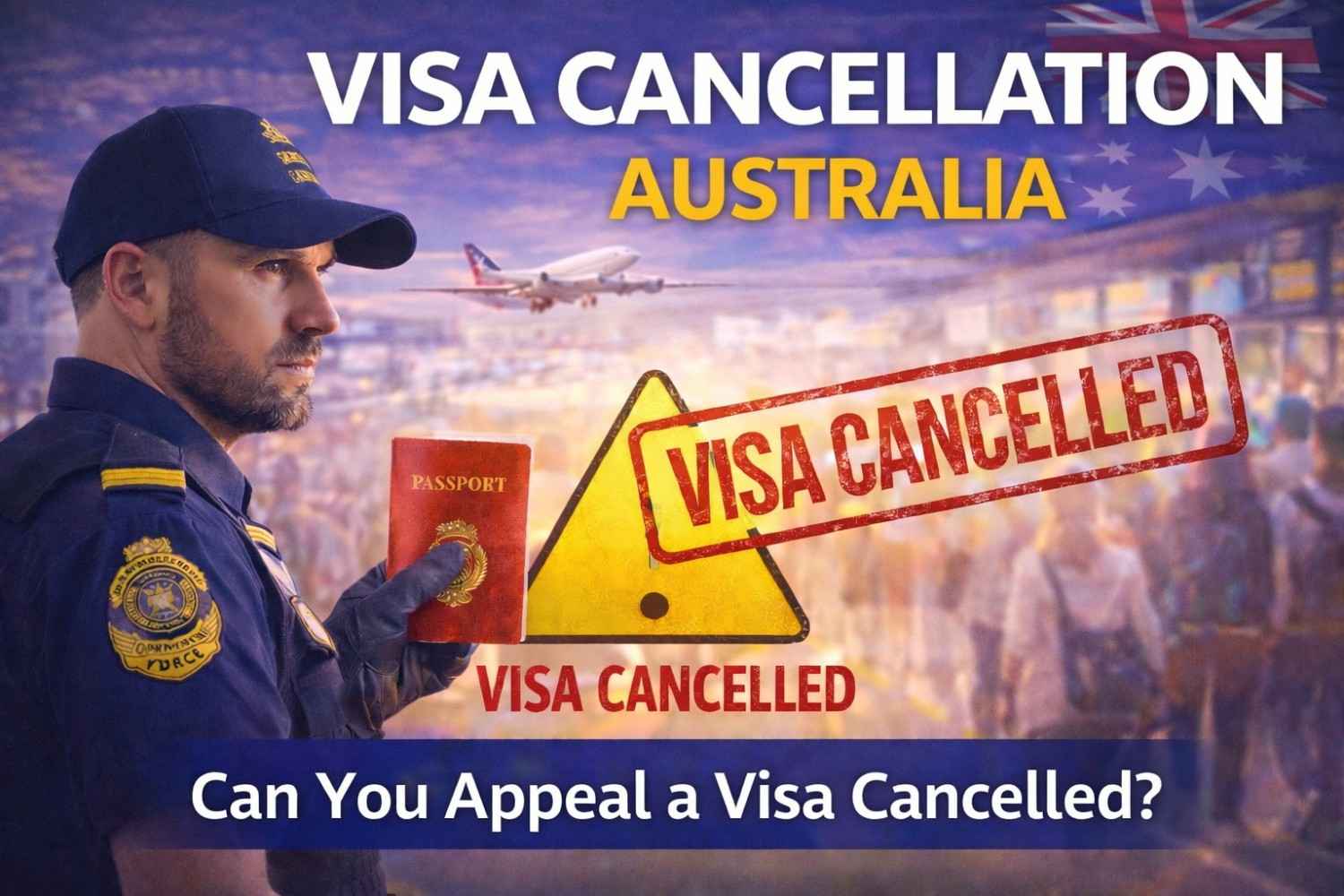
Yes — in many cases you may seek review through the relevant independent tribunal responsible for visa reviews or, in certain situations, pursue judicial review. The feasibility depends on the visa type, grounds for cancellation, and immigration law.
Yes. A cancellation — especially if it stemmed from false information or serious breaches — can have long-term consequences. Immigration authorities often consider a person’s visa history when assessing future visa or citizenship applications.
Potentially options include protection visas (if eligible), partner visas (if applicable), or bridging visas — but eligibility depends heavily on your specific situation. Often, success requires timely legal action and strong documentation.
Yes. Misuse — such as working more than permitted hours on a student visa — or failing to comply with conditions tied to employer-sponsored or partner visas can be grounds for cancellation. Even if done inadvertently, it can put your visa at risk.


We provide a comprehensive range of visa services tailored to meet the needs of individuals from all nationalities seeking to travel, study, work, family or settle in Australia.
Copyright © 2025 All Rights Reserved